

Full-Service
Elevator Solutions
Reliability, from the ground up.
WHO We Are
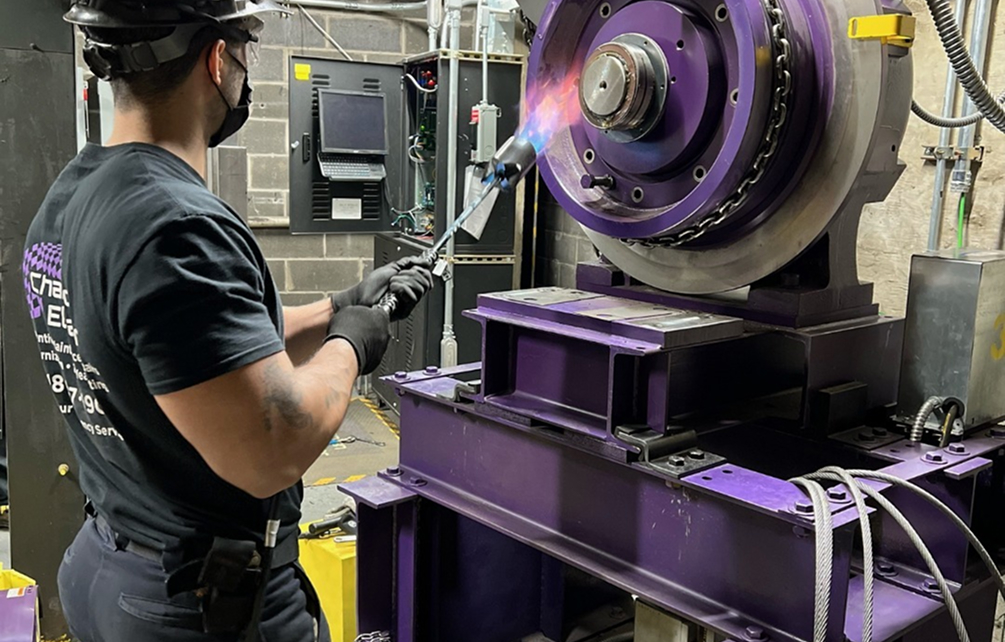
Champion Elevator is an independently owned, full-service elevator company serving New York City’s five boroughs, Westchester, Hudson Valley, Long Island, New Jersey, and Connecticut. For over a decade, we’ve delivered maintenance, repair, modernization, inspections, and emergency services for commercial, residential, and mixed-use buildings.
We combine the personal attention of a small business with the expertise and operational strength of a larger company, providing safe, reliable, and code-compliant elevator solutions for every client.
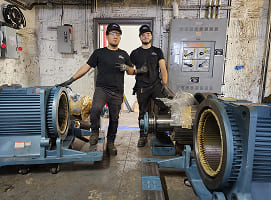
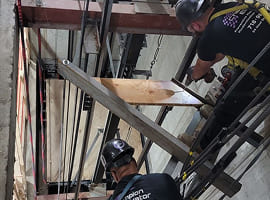

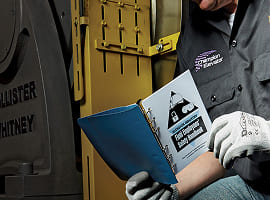
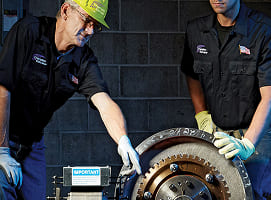
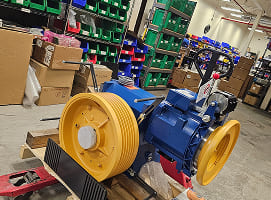

Decades of Experience:
Serving NY, NJ, and CT

Highly Skilled Team:

Safety & Compliance:
inspections, and industry standards

Customer-Focused Approach:
Owner-operated business with accountability and transparent communication

Fast, Reliable Service:
Minimizing downtime for building occupants and tenants
Blog
Latest News
Stay up to date with company updates, industry insights, and important announcements.
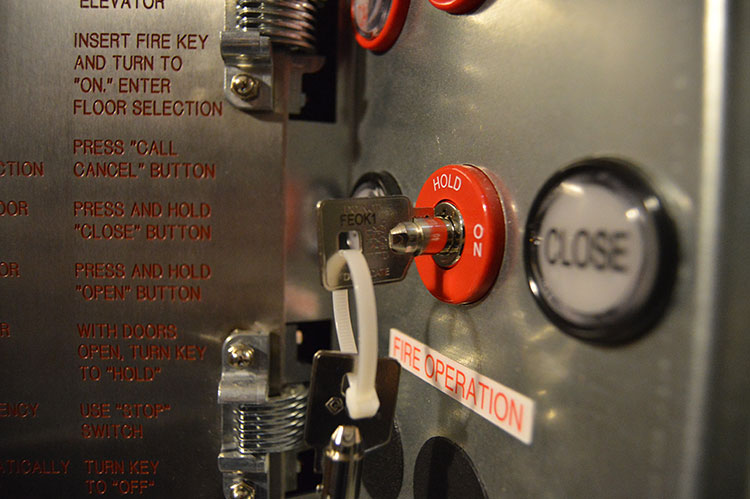
NYC and New Jersey Elevator Code Compliance: What Building Owners Need to Know in 2026 and Beyond
Keeping an elevator compliant takes more than arranging an inspection once a year. Building owners have to keep track of testing schedules, paperwork, repairs, and different rules depending on where their property is located. It can be a lot to manage, especially if you oversee buildings in both New York and New Jersey.
At Champion Elevator, we help property managers and building owners navigate those responsibilities across New York City, Long Island, and New Jersey. Here is a practical look at the main requirements, the questions worth asking, and the deadlines to discuss with your elevator service provider.
Elevator rules change depending on where your building is
One of the first things to check is which authority oversees your building. New York City, Long Island, and New Jersey do not follow identical inspection and filing processes.
In New York City, the Department of Buildings (DOB) enforces elevator requirements, including city-specific rules based on the ASME A17.1 safety code. Owners are responsible for required testing, correction of violations, and associated filings.
Long Island properties follow applicable New York State and local requirements rather than the NYC DOB process. In New Jersey, the Department of Community Affairs (DCA) oversees a separate regulatory framework. If your portfolio crosses state or city lines, it pays to work with a provider familiar with each jurisdiction.
What NYC elevator compliance involves
Annual Category 1 tests
Category 1 testing is a recurring annual obligation for NYC elevators. The work covers specified safety functions and the condition of key systems. Owners should confirm who is responsible for coordinating the test, documenting results, and meeting filing requirements. A qualified inspector plays an important role in the process.
Category 5 testing every five years
Category 5 testing is more involved and includes prescribed load and safety-system tests. This is not something to leave until the last minute. A consistent maintenance history can make it easier to spot concerns well before the five-year test comes due.
Violations and correction paperwork
If an inspection identifies a violation, the repair is only part of the job. The building owner also needs to understand the applicable correction deadline and whether an Affirmation of Correction (AOC) or other documentation must be filed. Deadlines depend on the violation, so rely on the actual DOB notice rather than a general rule of thumb.
Planning for the 2027 rope-gripper requirement
The original draft identifies January 1, 2027 as an important date for certain NYC traction-elevator rope-gripper requirements. Building owners should confirm the precise applicability and deadline for their equipment with the DOB and a qualified elevator professional before scheduling work.
If your building has an older traction elevator, ask for an assessment of its current braking and safety equipment. Any required retrofit may involve design review, parts lead time, and coordination with the applicable authority. Getting clarity early gives you more options than waiting until a deadline is close.
How New Jersey requirements differ
New Jersey elevators are subject to DCA requirements that differ from NYC procedures. Inspection schedules vary with equipment and use, and mechanic licensing and correction processes have their own rules. A […]
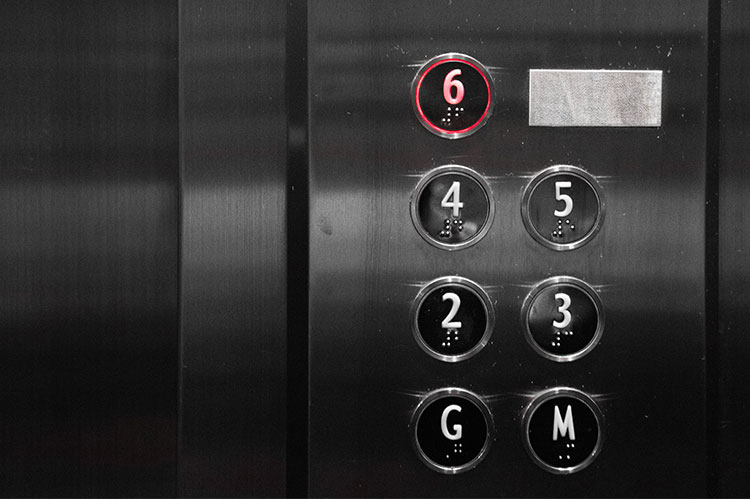
What to Look for in an Elevator Service Contract in New York City and New Jersey
An elevator service contract can look straightforward until something breaks. Then the questions start: Is this repair covered? How quickly will someone arrive? Who handles inspection paperwork? And will there be an extra charge?
For building owners and property managers in New York City, Long Island, and New Jersey, the right contract should answer those questions before an emergency happens. Champion Elevator recommends looking beyond the monthly price and taking a close look at what the service company is actually committing to provide.
Start with the services you really need
No two buildings use their elevators in exactly the same way. A busy commercial building may need more frequent visits and faster response than a lightly used property. Ask the provider to explain the recommended maintenance schedule, why it fits your equipment, and what each visit includes.
Five things your elevator service contract should spell out
1. Maintenance frequency and scope
A phrase like “regular service” is not specific enough. Look for a schedule, a description of the inspections and adjustments performed during visits, and a clear explanation of the records you will receive. The proposed maintenance frequency should reflect your elevator type and usage.
2. Emergency response
Ask what happens when an elevator stops working after hours. Is someone available to take the call? What response commitment applies to your area? Are nights, weekends, and holidays billed differently? These details matter even more in buildings where elevator access is essential to tenants and visitors.
3. Covered repairs and exclusions
Two contracts with similar prices may offer very different coverage. Some include labor and selected wear parts but exclude major items such as controllers, machines, or door operators. Request the exclusions in writing and ask how work outside the agreement will be quoted and approved.
4. Inspection coordination and filing
In NYC, required tests and DOB filing obligations can create additional administrative work. Find out whether your contractor will coordinate qualified inspectors, attend testing, and help prepare or submit documents or whether your property team must arrange those steps separately. New Jersey and Long Island have different processes, so ask how the service plan addresses the correct jurisdiction.
5. Violation response
If an inspection turns up a problem, you need a clear plan. Ask who will assess the issue, how quickly corrective work can be scheduled, and whether help with an Affirmation of Correction (AOC) or other paperwork is included. Do not assume a maintenance agreement automatically covers every compliance-related expense.
Contract terms that deserve a second look
Before signing, pay particular attention to automatic renewals and notice deadlines. A low introductory price may be less attractive if the agreement renews for another term before you have time to evaluate service.
Also look for unclear response promises, broad parts exclusions, and vague escalation procedures. If you manage several buildings, ask how the provider staffs your neighborhood or service area. Reliable local coverage can be as important as the equipment expertise itself.
Why location matters
A contractor working in Manhattan or the outer boroughs needs to understand NYC DOB testing and documentation. Long Island properties operate under different state and […]

If you manage property in NYC, consider this your friendly countdown: Jan 1, 2027.
If you manage property in NYC, consider this your friendly countdown: JAN 1, 2027. Let’s get you up to code on time and on budget. Jan 1, 2027, is closer than it looks!
Ready to Elevate Your Building?
Champion Elevator is the trusted partner for property owners, managers, architects, designers, and building professionals. From routine maintenance to full modernization projects, we deliver reliable, safe, and code-compliant solutions every time.